
चिकन बिरयानी
Chicken biryani in bulk for weddings and events
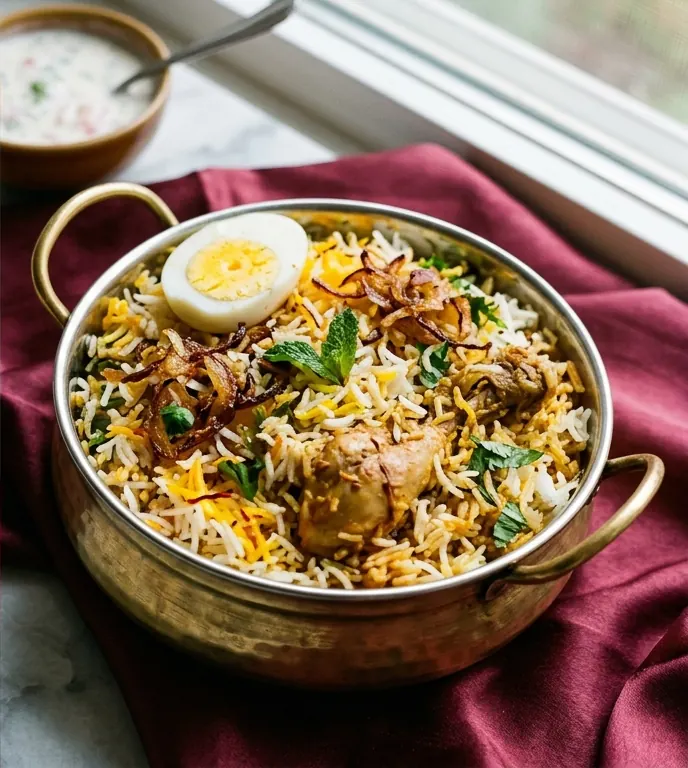
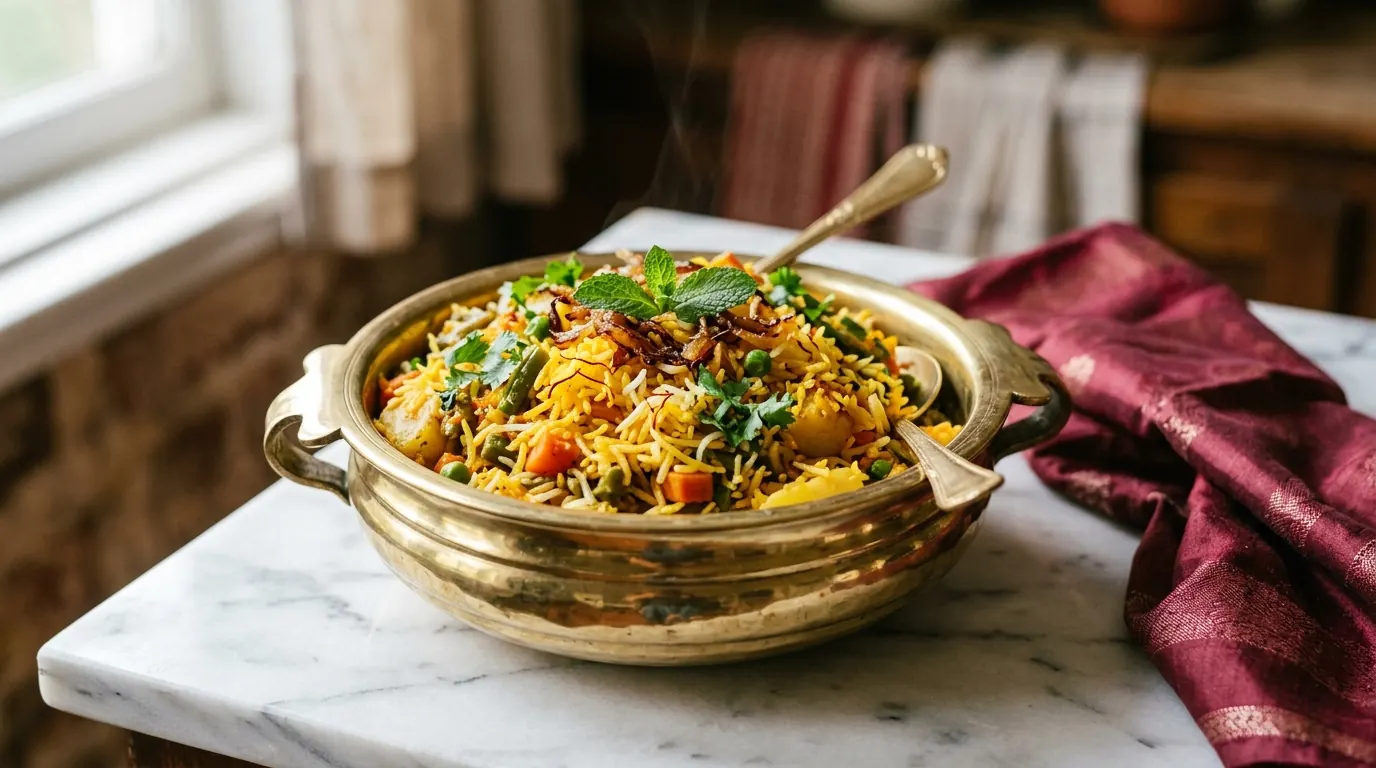
Chicken biryani is often the dish guests remember most from a non-vegetarian wedding menu. Layers of spiced rice and marinated chicken, slow-cooked together until the flavours fully combine.
What makes a good chicken biryani
Chicken biryani is made by marinating chicken pieces in yogurt and spices, par-cooking fragrant long-grain rice with whole spices, then layering the marinated chicken and rice together and sealing the pot to slow-cook on dum, so the steam and flavours mix through evenly. Getting the rice-to-chicken ratio and the dum timing right is what separates a good biryani from an average one. A good chicken biryani should have separate, fragrant rice grains and chicken that is fully cooked and tender, with the flavours evenly spread rather than sitting only at the top or bottom.
Where families order it
- Wedding dinner buffet
- Reception and party menus
- Corporate lunch and dinner events
- Family celebration meals
How much chicken biryani for your guests?
A rough planning figure for a menu with other dishes beside it. Baljeet sets the real amount once your menu is fixed.
Kitchen slip · Chicken Biryani
| 50 guests | about 10 kg |
|---|---|
| 100 guests | about 19 kg |
| 250 guests | about 42 kg |
| 500 guests | about 80 kg |
Approximate, cooked weight or pieces, no safety margin.
Ordered for weddings and events in Panchkula, Chandigarh, Mohali, Zirakpur and Kharar. Planning the whole menu? Try the food quantity calculator.
How is chicken biryani served at a wedding?
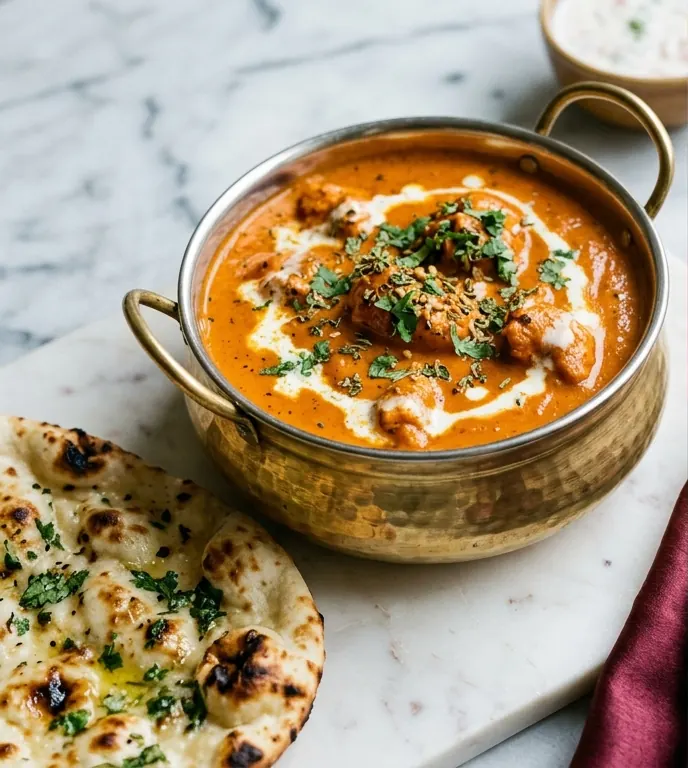
Chicken biryani is served hot straight from the dum pot, kept in large handis at the buffet counter and typically accompanied by a simple raita rather than a heavy gravy on the side. It is usually treated as a complete main course, which means hosts often skip a separate rice and chicken curry combination on the menu. At receptions and party menus it commonly appears alongside butter chicken. Because rice can dry out once the dum is opened, it is best served within a couple of hours.
Where does chicken biryani come from?
Chicken biryani developed from the broader Mughlai biryani tradition, adapted across regions with local spice blends, and the North Indian, Punjabi-influenced style commonly served at weddings favours a robust, well-spiced marinade over more delicate regional styles. It became a wedding centrepiece dish because it combines rice and meat in one preparation, simplifying the buffet layout while still feeling festive and substantial. Its dum cooking method, sealing the pot for slow steam cooking, remains central to how it is prepared for large gatherings today.
How it keeps
Best served fresh and hot straight from the dum; if kept, refrigerate and reheat gently, though texture is always best when served soon after cooking.
Don’t worry, we will take care of you
Chicken biryani can stand in as a complete main course by itself, which can reduce the need for a separate rice and curry combination, helping manage the overall menu budget.
Tell us your budget →Chicken Biryani: what people ask
How much chicken biryani is needed for 250 guests?
Roughly 42 kg is a reasonable planning figure when it is one of the main courses on the menu. Baljeet confirms the exact amount based on your full spread.
Can chicken biryani replace butter chicken and rice separately?
Yes, many hosts choose one or the other as the main non-veg course rather than serving both, since biryani already combines rice and chicken in one dish.
Is chicken biryani served with raita?
Yes, it is commonly served with a simple yogurt raita on the side, which helps balance the spices in the biryani.
Can chicken biryani and butter chicken be served together?
Yes, many wedding menus include both as separate non-vegetarian mains on the buffet. Some hosts choose only one since biryani already combines rice and chicken in a single festive, filling dish for guests.
How much chicken biryani is needed for 500 guests?
Around 80 kg is a common planning figure for 500 guests when it is one of the main courses. Baljeet confirms the exact amount based on your full event menu.
Goes well with
Don’t worry, we will take care of you
Tell us how many guests you have and how much you can spend. Baljeet plans a full, proper menu around that amount. He says plainly what it covers, with no hidden extras, whether it’s a 40-guest path at home or a 600-guest wedding.